Content table
- Quick Answer: How to Pick the Right Classification
- Class A: General Engineering Contractor
- Class B: General Building Contractor
- Class B-2: Residential Remodeling Contractor
- California Class C Specialty Contractor Licenses
- C-61 Limited Specialty Contractor and D Subcategories
- How to Match a California Contractor License Classification to Your Experience
- What If More Than One Classification Applies?
- California Contractor License Classification FAQs
- Key Takeaways
Choosing a classification is one of the first decisions you will make when applying for a California contractor license. Consider the work you actually perform, the experience you can document, and the types of projects you plan to accept. This guide explains the main California contractor license classifications and how to compare them before submitting your application.
Quick Answer: How to Pick the Right Classification
California has more than 40 contractor license classifications. The Contractors State License Board (CSLB) defines the scope of each classification, meaning the types of work it authorizes.
Use this table as a starting point:
| Classification | What it covers |
|---|---|
| A – General Engineering | Infrastructure and other fixed works requiring specialized engineering knowledge and skill. |
| B – General Building | Qualifying building projects involving multiple unrelated trades, as well as framing or carpentry projects. |
| B-2 – Residential Remodeling | Qualifying improvements to existing residential wood-frame structures involving at least three unrelated trades under one contract. |
| C – Specialty Contractor | A specific trade or field, such as electrical, plumbing, concrete, roofing, etc. |
| C-61 – Limited Specialty | A defined specialty outside the other established specialty classifications, identified through D subcategories. |
If you gained your experience working for a licensed contractor, their classification can help narrow your options. Focus on the classification that covered the work you personally performed or supervised, especially if the contractor held several classifications or your role centered on one trade.
Once you have identified a possible classification, read its complete CSLB scope-of-work definition. A classification’s name can point you in the right direction, but the full definition explains what it allows and where its limits apply.
Class A: General Engineering Contractor
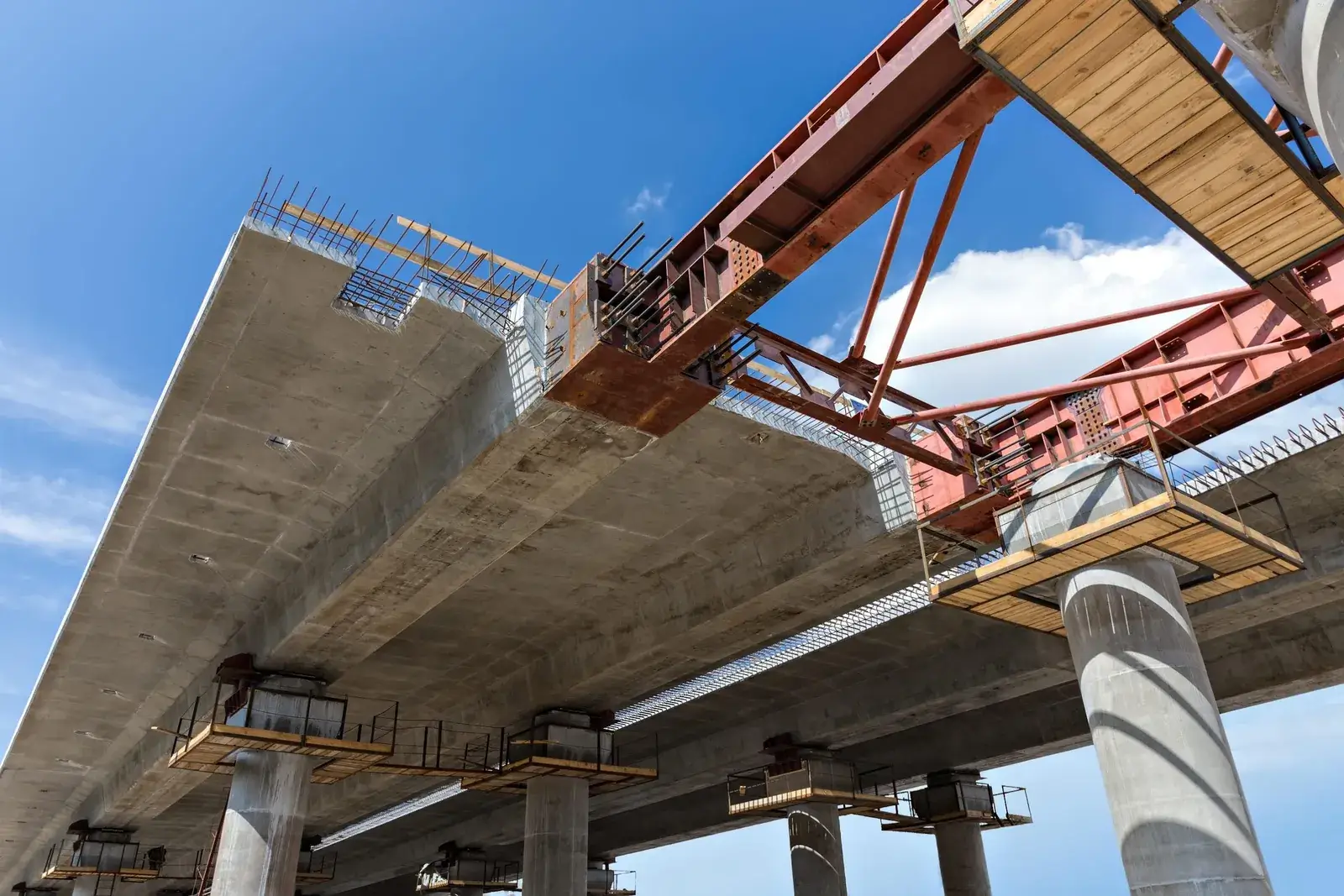
A Class A license covers fixed works requiring specialized engineering knowledge and skill. These include roads, bridges, water and sewer infrastructure, flood-control projects, and grading or earthmoving projects. If your experience involves infrastructure or heavy civil construction, Class A is a classification to consider.
Some work covered by Class A also falls within a specialty classification. For example, if your experience is primarily in earthwork and paving, you should also review C-12 Earthwork and Paving. The specific work you performed and your responsibilities on those projects will help you compare the two.
Class B: General Building Contractor
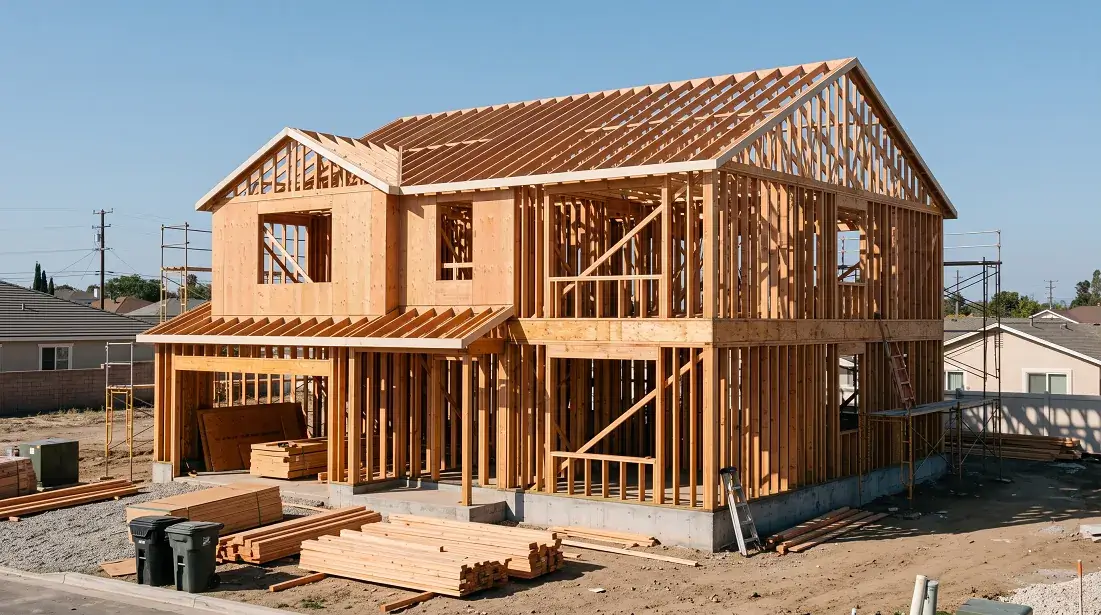
Class B is California’s most common contractor license classification. If your goal is to build homes, manage room additions, or oversee major remodeling projects, this may be the license you already have in mind.
Its appeal is the range of projects it can cover, from homes and apartment buildings to offices, warehouses, and other commercial structures. If your experience includes building construction and work across several trades, Class B is worth considering.
B projects generally require at least two unrelated trades other than framing or carpentry, although framing or carpentry projects may be accepted by themselves. There are also specific rules for standalone specialty work that affect what a B contractor can accept and perform.
For project examples and a closer look at those rules, read our guide: What Can You Build With a California B General Contractor License?
Class B-2: Residential Remodeling Contractor
B-2 was introduced in 2021 to provide a licensing path for experienced home remodelers who worked across several trades but lacked the framing or rough carpentry experience needed for Class B. As CSLB explained when introducing B-2, the classification addressed a gap for people working on remodeling and smaller home improvement projects.
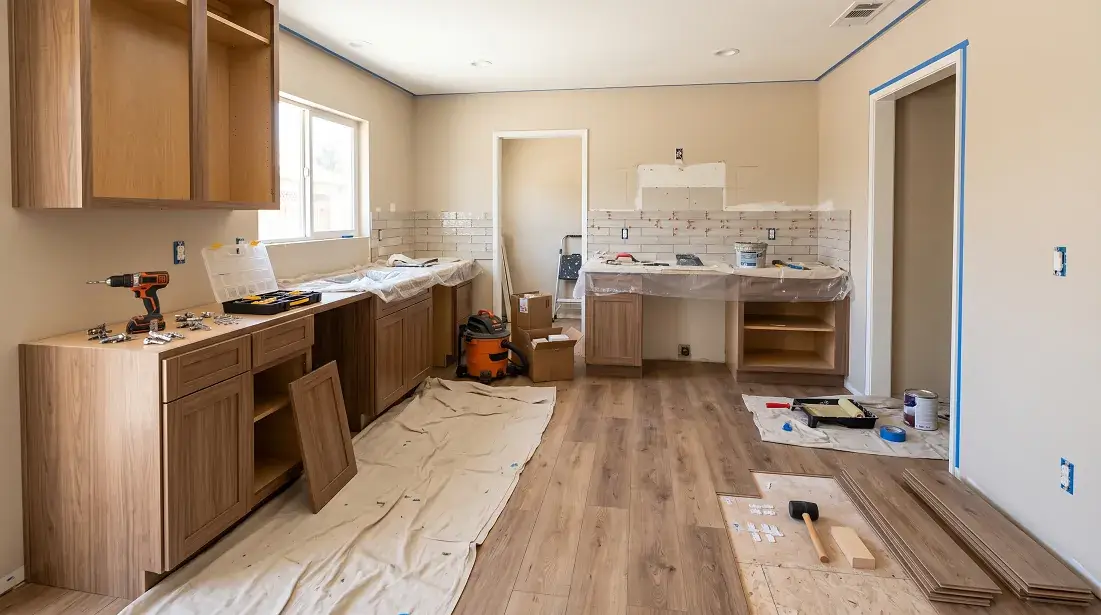
If your work combines trades such as drywall, flooring, painting, finish carpentry, and tile, B-2 is worth considering. It covers qualifying improvements to existing residential wood-frame structures under a single contract involving at least three unrelated trades.
B-2 does not authorize new construction or structural changes to load-bearing portions of a building. Electrical, plumbing, and mechanical system work also has specific restrictions, so the scope of your typical remodeling projects matters.
For a closer look at what B-2 allows and how it compares with Class B, read our B-2 Residential Remodeling Contractor License guide.
California Class C Specialty Contractor Licenses
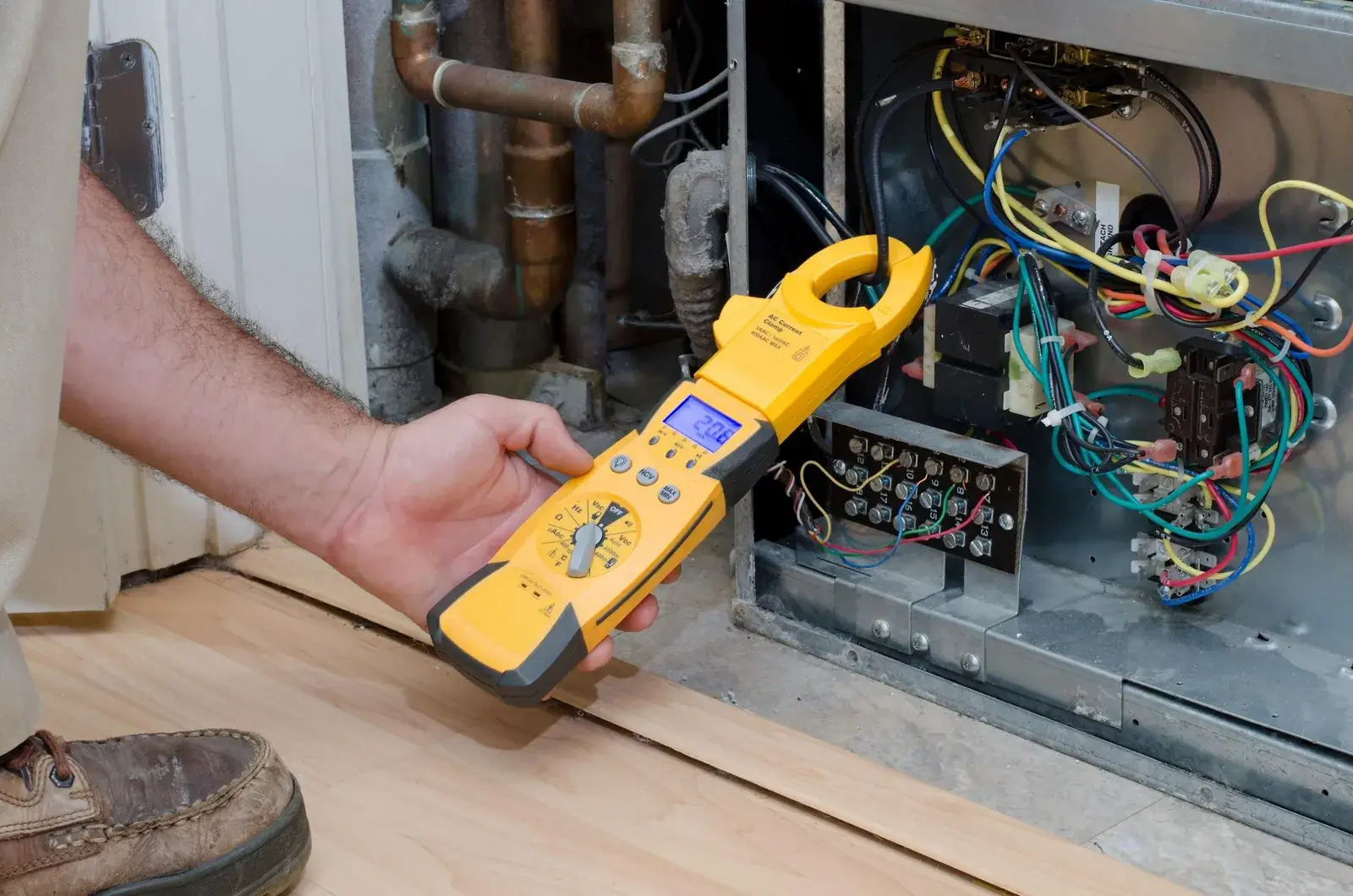
If you have built your experience in a particular trade, such as electrical, plumbing, HVAC, roofing, or concrete, a specialty C classification is usually the place to start. These licenses allow you to contract for work within a specific trade or field.
Some familiar and popular examples include:
- C-8: Concrete
- C-10: Electrical
- C-15: Flooring and Floor Covering
- C-20: Warm-Air Heating, Ventilating and Air-Conditioning
- C-27: Landscaping
- C-33: Painting and Decorating
- C-36: Plumbing
- C-39: Roofing
- C-46: Solar
- C-54: Ceramic and Mosaic Tile
Even within related fields, the details matter. Someone whose experience involves installing power wiring and electrical equipment would review C-10. Someone installing communication and energy-limited low-voltage systems would review C-7. Both involve wiring, but their scopes differ.
Browse our California contractor license classifications directory to explore the options, then use CSLB’s official definitions to confirm the scope.
C-61 Limited Specialty Contractor and D Subcategories
If your experience is in a specialized service that does not fit the other established C classifications, C-61 is another option to explore. CSLB identifies these limited specialties through D subcategories, such as D-35 Pool and Spa Maintenance, D-52 Window Coverings, and D-63 Construction Clean-up.
Each D subcategory covers a specific field of work. For example, someone who pours and finishes concrete would review C-8 Concrete, while someone whose work focuses on concrete sawing, coring, restoration, or pumping would also review C-61/D-6 Concrete-Related Services.
C-61 does not require a trade exam. Applicants only need to pass the Law and Business exam, unless an applicable waiver or exemption applies. The qualifying-experience requirements still apply.
Explore our C-61 Limited Specialty page and CSLB’s D subcategories to find the specialty that matches your work.
How to Match a California Contractor License Classification to Your Experience
Once you’ve narrowed your options, gather the information you’ll need to support your choice on the Application for Original Contractor License.
1. Write Down Your Relevant Work History
For each job or work setting, record when you worked, the trade duties you performed or directly supervised, and whether the work was full-time or part-time. Focus on your own responsibilities. For example, “installed drywall, flooring, and cabinets” tells more about your experience than “worked in remodeling.”
Organizing these details will help you see which classification your work history supports.
2. Confirm the Qualifier Meets the Requirements
Every license needs a qualifying individual, or “qualifier,” for each classification. If you are applying based on your own experience, that person is you. The qualifier directly supervises and controls construction operations under the license and takes the required exams unless a waiver or exemption applies.
The basic requirements include:
- Be at least 18 years old.
- Have a Social Security number or Individual Taxpayer Identification Number (ITIN).
- Have four years of qualifying experience in the classification within the last 10 years, at the journey level or as a foreperson, supervising employee, or contractor.
Journey-level experience means you are fully qualified to perform the trade without supervision. Count the time actually spent doing qualifying work, rather than simply how long you were employed in construction.
CSLB may grant up to three years of credit for qualifying education, technical training, or a completed apprenticeship. At least one year must still be practical experience. If you do not yet meet the requirements, consider whether another qualified person can serve as the qualifier or continue gaining experience with a licensed contractor before applying.
3. Arrange Experience Certification
Contact someone with firsthand knowledge of your work and confirm that they can certify your duties, experience level, and dates worked. This may be an employer, licensed contractor, foreman or supervisor, journeyman, fellow employee, or business associate.
The certifier completes the certification portion of the Certification of Work Experience form. CSLB may contact them to verify the information, so discuss these details before asking them to sign.
4. Gather Supporting Records
As the qualifier, be prepared to provide supporting documentation if CSLB requests it. Depending on how you gained your experience, this may include employment and tax records, contracts, invoices, permits, or inspection records.
Review CSLB’s acceptable supporting experience documentation to identify the records that apply to your situation. Gathering them now can make it easier to respond if CSLB needs more information.
What If More Than One Classification Applies?
If you’ve narrowed your options but are still unsure which classification fits your work, CSLB’s Classification Deputy can be a helpful resource.
The Classification Deputy reviews the work you describe and helps determine which classification applies. Their knowledge of CSLB’s classification scopes and restrictions can help clarify differences that may be easy to overlook, especially when more than one classification appears to cover similar work.
Following CSLB’s classification guidance, you can email Classifications@cslb.ca.gov and include answers to these four questions:
- What work will you perform, install, replace, or repair?
- How will you carry out that work?
- What materials, tools, and equipment will you use?
- What will your customer contract say, and what scope of work will it include?
It helps to describe the work in detail. For example, if you say “bathroom remodeling,” explain whether that includes replacing finishes, relocating plumbing, or making structural changes.
The Classification Deputy will review your information and respond by email with a determination of which classification best fits the scope you described. This guidance can help you feel more confident about your choice before submitting your application.
California Contractor License Classification FAQs
How Many Contractor License Classifications Are There in California?
California has more than 40 contractor license classifications, including A General Engineering, B General Building, B-2 Residential Remodeling, and the specialty C classifications. C-61 Limited Specialty is further divided into D subcategories for specific types of work.
What Is the Difference Between a Class A and Class B License?
Class A focuses on infrastructure and other fixed works requiring specialized engineering knowledge and skill. Class B focuses on qualifying building construction and remodeling projects involving multiple trades. B contractors can also accept framing or carpentry projects by themselves.
Which Contractor License Do I Need for Home Remodeling?
It depends on the work involved. Class B can cover qualifying projects involving multiple trades. B-2 covers qualifying remodeling of existing residential wood-frame structures involving at least three unrelated trades, with restrictions on structural and system work. If you specialize in one trade, a specialty C classification may be the better fit.
Can I Hold More Than One Contractor License Classification?
Yes. You can add classifications to an existing license by submitting an additional classification application and fee. Your current qualifier or another qualifying individual must meet the requirements for each classification you add.
Do All Classifications Require a Trade Exam?
No. C-61 Limited Specialty applicants do not take a trade exam. They generally take only the Law and Business exam. Most other first-time qualifiers must pass both the Law and Business exam and the applicable trade exam unless a waiver or exemption applies.
Does Having Four Years in Construction Qualify Me for Any Classification?
No. What you did during those years matters. Your experience must support the classification you are requesting and meet CSLB’s qualifying-experience requirements. Four years in construction does not automatically qualify you for every classification.
How Do I Confirm Which Classification Fits My Work?
Compare your work with the official CSLB classification definitions. If you are still unsure, email Classifications@cslb.ca.gov with the details of your proposed work. A Classification Deputy will review the information and respond with a determination of which classification best applies.
Key Takeaways
The right California contractor license classification should fit the work you perform, the qualifying experience you can document, and the projects you plan to accept. Understand its scope and restrictions before applying, and reach out to CSLB’s Classification Deputy if you need help deciding. You can apply to add classifications later as your experience and business grow.
At Contractors Intelligence School, we can help you explore your options, understand the application process, and prepare for your licensing exams. Visit our contractor license classifications directory to find information and exam preparation for the classification you’re considering.
Published on: October 20, 2026






 $495.00

 Live Streaming Class


 Limited Time Offer | Save $500
 Full Online Course